Can You Actually Negotiate Distributor Margins?
Most beverage brands negotiate distributor margins backward.
They walk into conversations focused on percentage points without understanding the only number that actually matters: what your product needs to cost on the shelf to win in the market. This isn't just a pricing conversation. It's a brand strategy conversation. And if you get it wrong, no amount of margin negotiation will save you.
Here's how to approach distributor margin conversations the right way, and why it starts with your retail shelf price, not your cost of goods.
The Real Problem: Brands Don't Know Their Numbers
I see this constantly. Founders and brand operators who are passionate about their product - and they should be - but they've skipped the fundamentals.
They've created something they love. The label looks great. The product tastes incredible. But when it comes time to work with distributors, they have no idea:
What shelf price wins in their category
Who they're competing against
Whether their margins can support sustainable growth
So they end up reacting to distributors instead of leading the conversation. And distributors can tell.
A Real Example: The $8 Orange Juice Problem
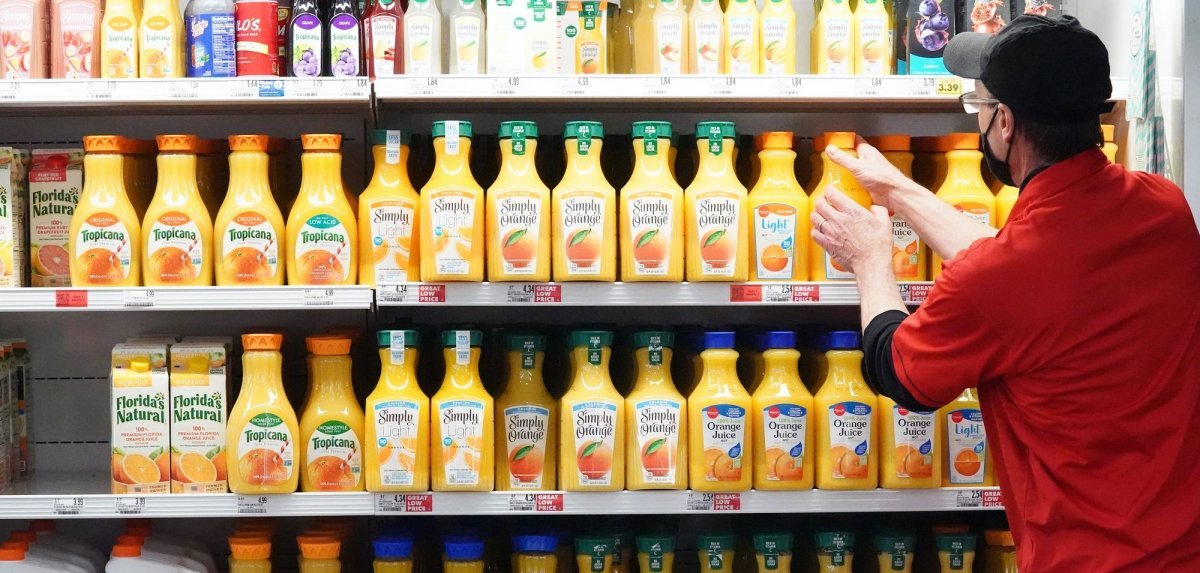
A few months ago, I worked with an startup orange juice brand. Locally made, handcrafted, high-quality product. They were pricing at $8 a bottle on the retail shelf. They were sitting next to Dole, Tropicana, and organic store brands priced at $3 to $5 a bottle.
Here's the issue: there was no brand strategy or value proposition strong enough to justify that $8 price point. The product wasn't going to move.
And here's the kicker: distributor margin didn't even matter.
Even if they gave their distributor zero margin, the economics still wouldn't work. Their cost of goods was too high, or their own margin expectations were unrealistic. The margin conversation was irrelevant because the foundational strategy was broken. This is what happens when you skip the hard questions and go straight to execution.
The Strategy: Start With the Shelf and Work Backward
Here's how winning beverage brands approach pricing and distributor margins:
Step 1: Know Your Shelf Price
Before you talk to any distributor, answer this question:
What does your product need to be priced at on the shelf to compete and win?
This comes down to three core questions:
Who is your target consumer?
Can you spot them walking down the street? Do you know what they value, what they're willing to pay, and where they shop?What are they drinking now?
Who are your competitors? What brands is your target consumer currently buying?Why would they switch to your brand?
What's your value proposition? Is it quality, convenience, price, health benefits, sustainability? And can you justify your price point based on that value?
If you're $3 more expensive than an established competitor with no clear reason why, your product won't move—regardless of your distributor's margin.
Step 2: Reverse-Engineer Your Pricing
Once you know your target shelf price, work backward:
Shelf price (what the consumer pays)
Minus retailer margin (typically 25-35%)
= Distributor sell price (what the retailer pays your distributor)
Minus distributor margin (what you're negotiating)
= Your price to distributor (what you sell to them for)
Minus your cost of goods
= Your margin (what's left to run and grow your business)
Now you know:
What you can afford to give your distributor
Whether you have enough margin left to sustain and scale your business
If your product is even viable at the price point the market demands
Step 3: Lead the Conversation
When you walk into a distributor meeting with this math done, you shift the entire dynamic.
Instead of asking:
"What margin do you need?"
You say:
"Here's where we need to land on the shelf to win in our category. Based on that, here's the pricing structure that works. Here's the margin we can support while building a sustainable brand."
You're no longer reacting. You're leading.
And here's what happens next:
Option 1: The distributor says, "That margin works for us. Let's move forward."
Option 2: The distributor says, "We need more margin. Can you lower your cost of goods?"
Now you have a productive conversation. You can evaluate whether you have room to adjust, or whether this partnership isn't the right fit.
Option 3: The distributor says, "We'll take a slightly lower margin because we believe in the brand and the strategy makes sense."
This happens more than you'd think—but only when you show up with a clear plan.
Why This Approach Builds Better Partnerships
When you lead with clarity on your shelf price, pricing strategy, and path to velocity, you signal something critical to distributors: You know what you're doing.
You're not another brand hoping to get pushed. You're a brand with a strategy, a plan, and realistic expectations. Distributors respect that. And when they respect you, they're more likely to invest in you.
The Death Loop: What Happens When You Get This Wrong
Here's the trap I see brands fall into constantly: They give too much margin to distributors because they don't understand their own economics. They think, "We just need to get into distribution. We'll figure it out later."
But now they're not making enough margin to sustain the business. They can't afford to reinvest in marketing, sales support, or product development.
And here's the worst part: the more they sell, the deeper the financial hole gets. It's quicksand. By the time they realize it, it's too late.
This is why knowing your numbers upfront isn't optional. It's the difference between scaling and failing.
What If You're Already Working With a Distributor?
If you're already in a relationship with a distributor and you realize the margin isn't working, here's how to approach it:
1. Know your numbers
Get crystal clear on:
What margin you actually need to sustain and grow
Whether the issue is distributor margin, shelf price, or your own cost of goods
2. Frame it as a partnership
Approach the conversation like this:
"If you have success, we have success. Right now, we can't sustain success at this margin. Let's talk about options - whether that's adjusting retail pricing, finding co-op opportunities, or structuring volume discounts. What can we do to make this work for both of us?"
3. Hold them accountable - respectfully
Distributors respect brands that know their worth and can communicate their needs confidently.
If you show up with data, a clear ask, and a partnership mindset, you're far more likely to get a productive response.
If you show up vague, uncertain, or asking for favors, you're not going to get anywhere.
The Bottom Line
Yes, you can negotiate distributor margins, but only if you've done the work first.
Start with the shelf. Know your competition. Understand your value proposition. Work backward to your numbers. Then lead the conversation with confidence.
This is how beverage brands build distribution partnerships that actually scale.
Need Help Navigating This?
If you're working through pricing strategy, distributor conversations, or building a brand that can scale sustainably, this is exactly what we do.
Work With Us to build the fundamentals that make distributors want to invest in your brand.